In this video, our President, Justin Johnson, explains some of the key considerations of requesting a quote and what you can expect in the course of the process. This video focuses on the importance of considering engineering and VAVE opportunities early on in the process. Jordan Manufacturing Company encourages customers consider how tooling design affects real-life part performance. Spending a few moments discussing VAVE opportunities at the start of the quote process provides quality and value to the customer and sets Jordan Manufacturing apart from other metal stampers.
Ready to experience the power of Jordan’s In-House Tooling?
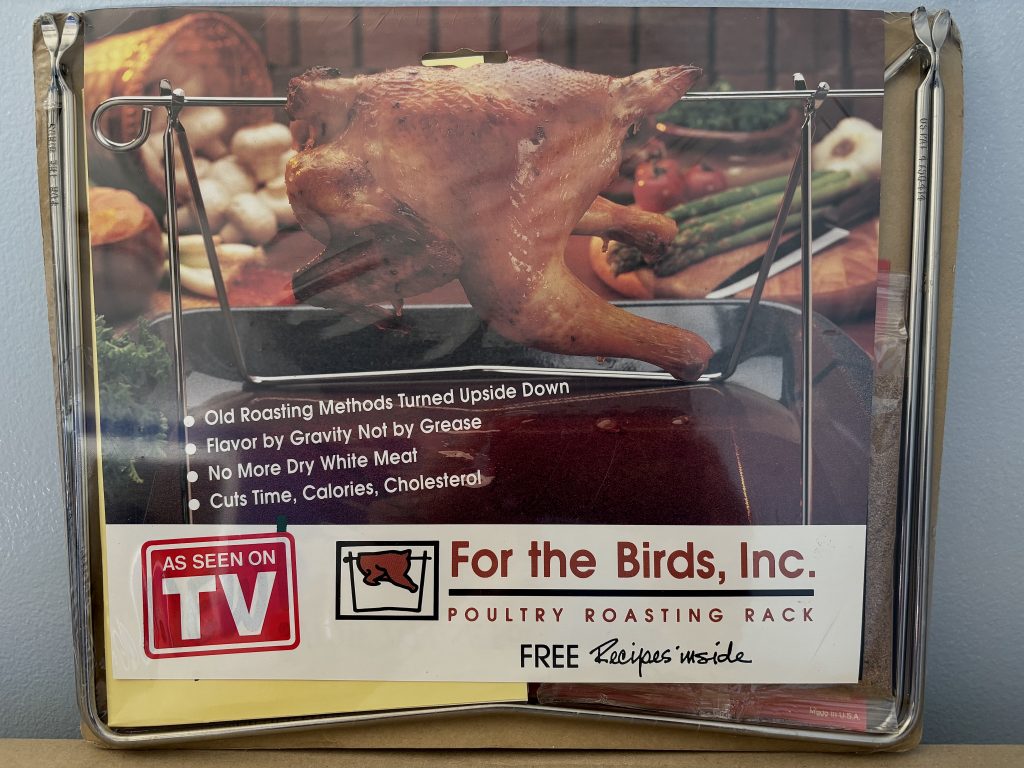
Visitors to Jordan Manufacturing’s office or booth at a tradeshow will find some interesting examples of our company’s current and past products. Each one is chosen to tell a story about Jordan Manufacturing’s place in American manufacturing history. One such product is the For the Birds Poultry Roasting Rack.
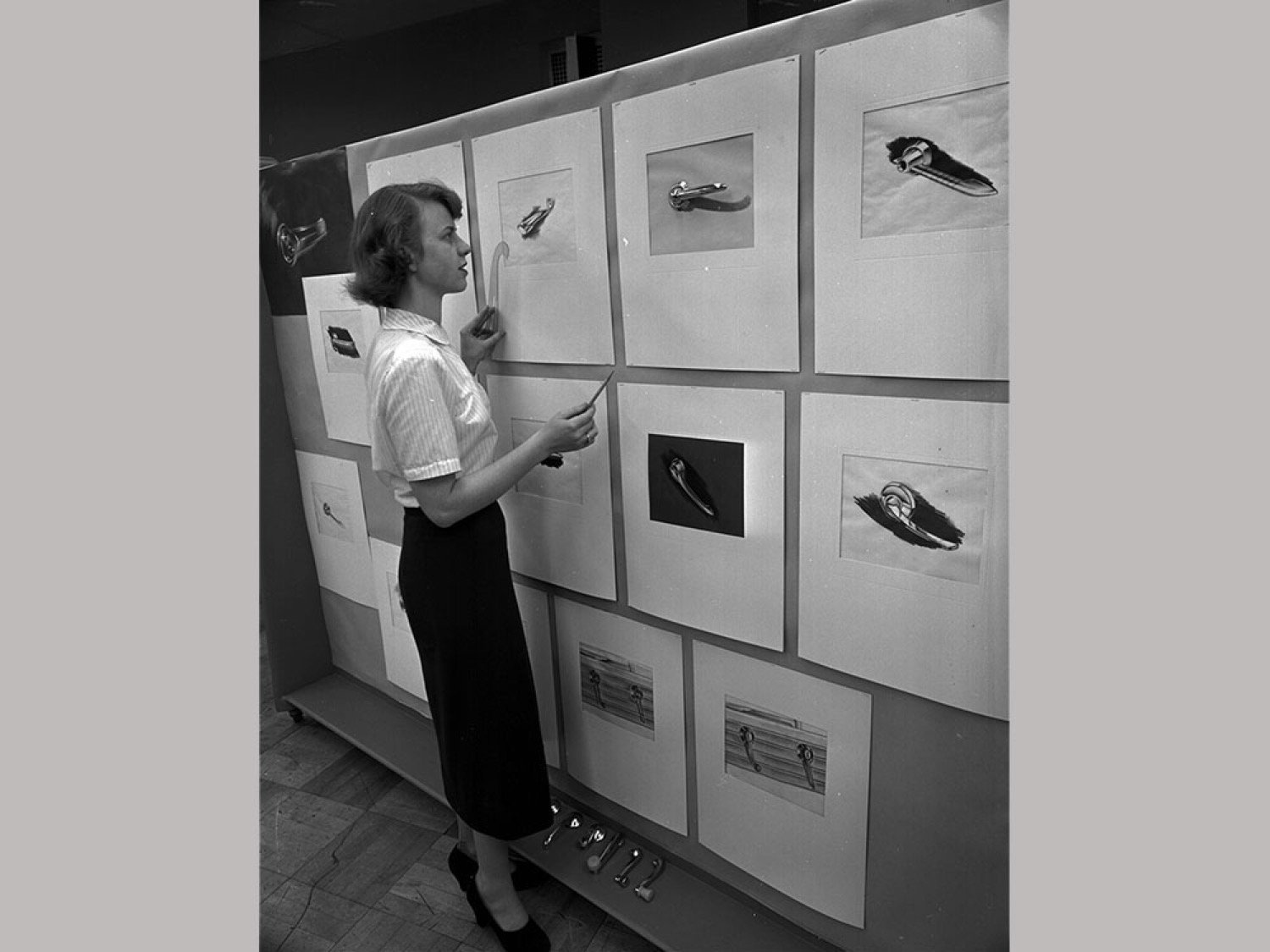
The Poultry Roasting Rack produced by Jordan Manufacturing in the early-90s has an interesting backstory. The idea and design was created by Mary Ellen Dohrs, an American industrial designer who did pioneering work for General Motors and Sundberg-Ferar.
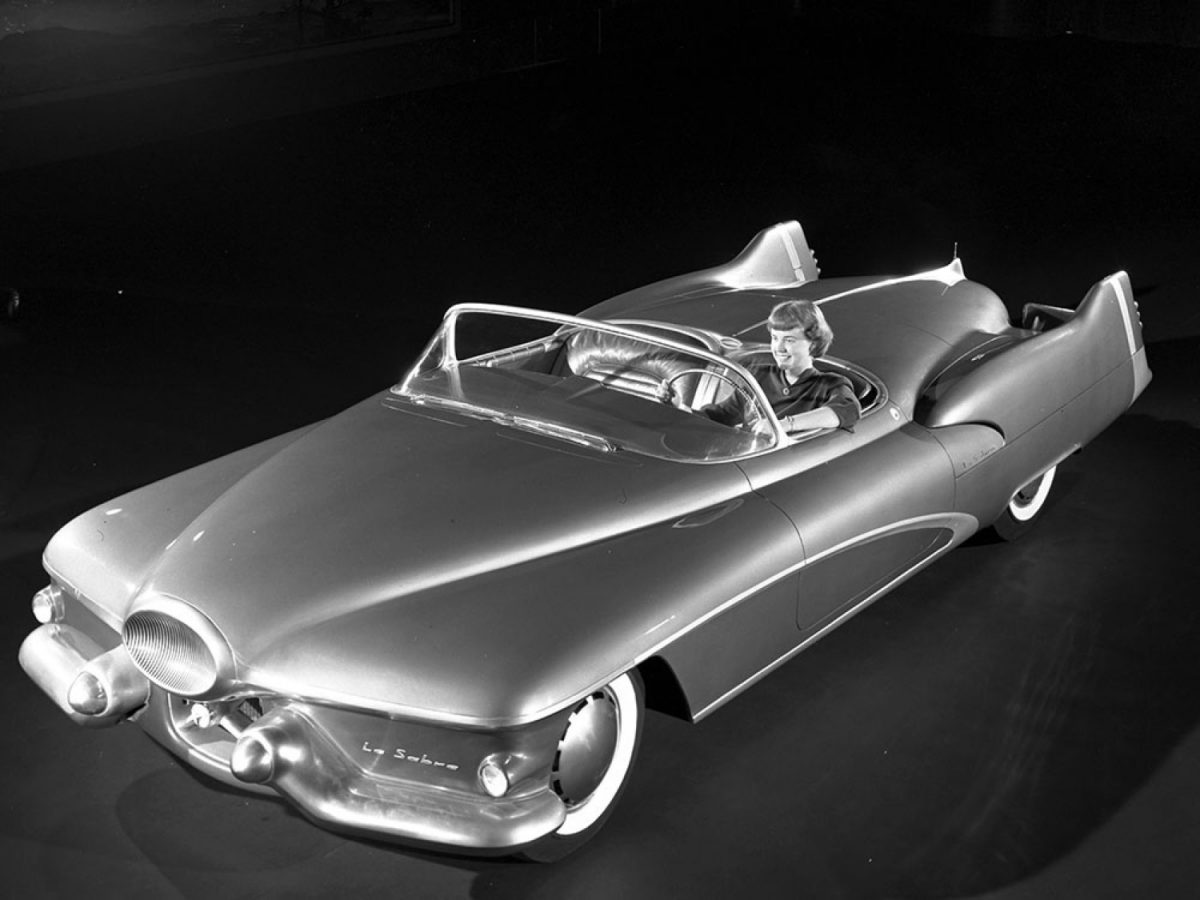
Dohrs studied industrial design at the Pratt Institute in New York City and joined General Motors in 1950 at the age of 20. Not only was she the youngest designer working at any automaker, she was also one of the first female designers to work at GM, predating “The Damsels of Design” by several years.
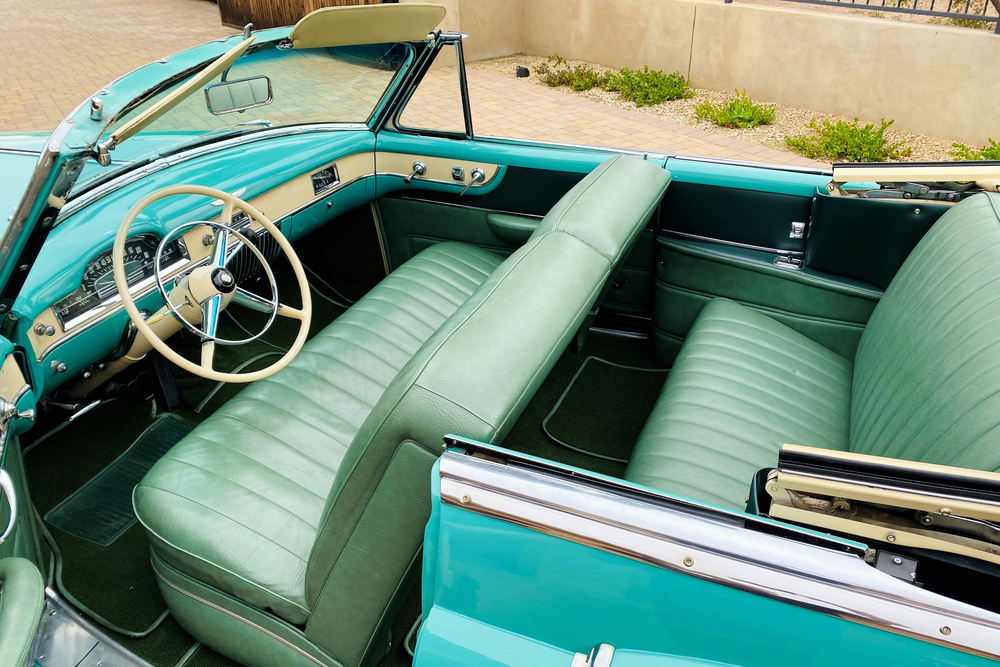
At GM, Dohrs worked primarily on interior design, an area that had only recently gained importance in car styling. Her work combined elegance and practicality, seen in her interior design of the 1950 Series 62 Cadillac Convertible.
Mary Ellen believed car interiors should express both comfort and character, helping move automotive design beyond pure function.
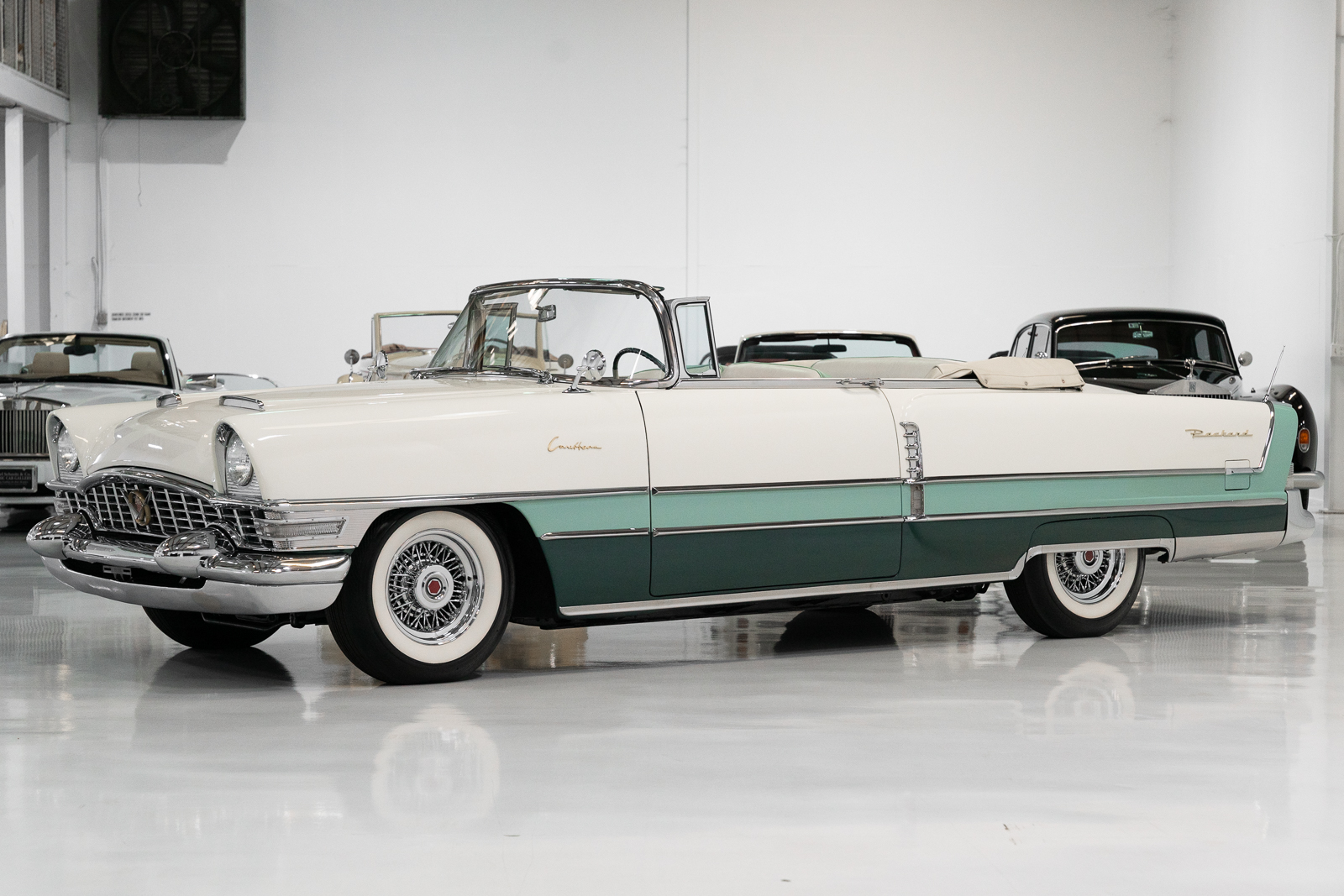
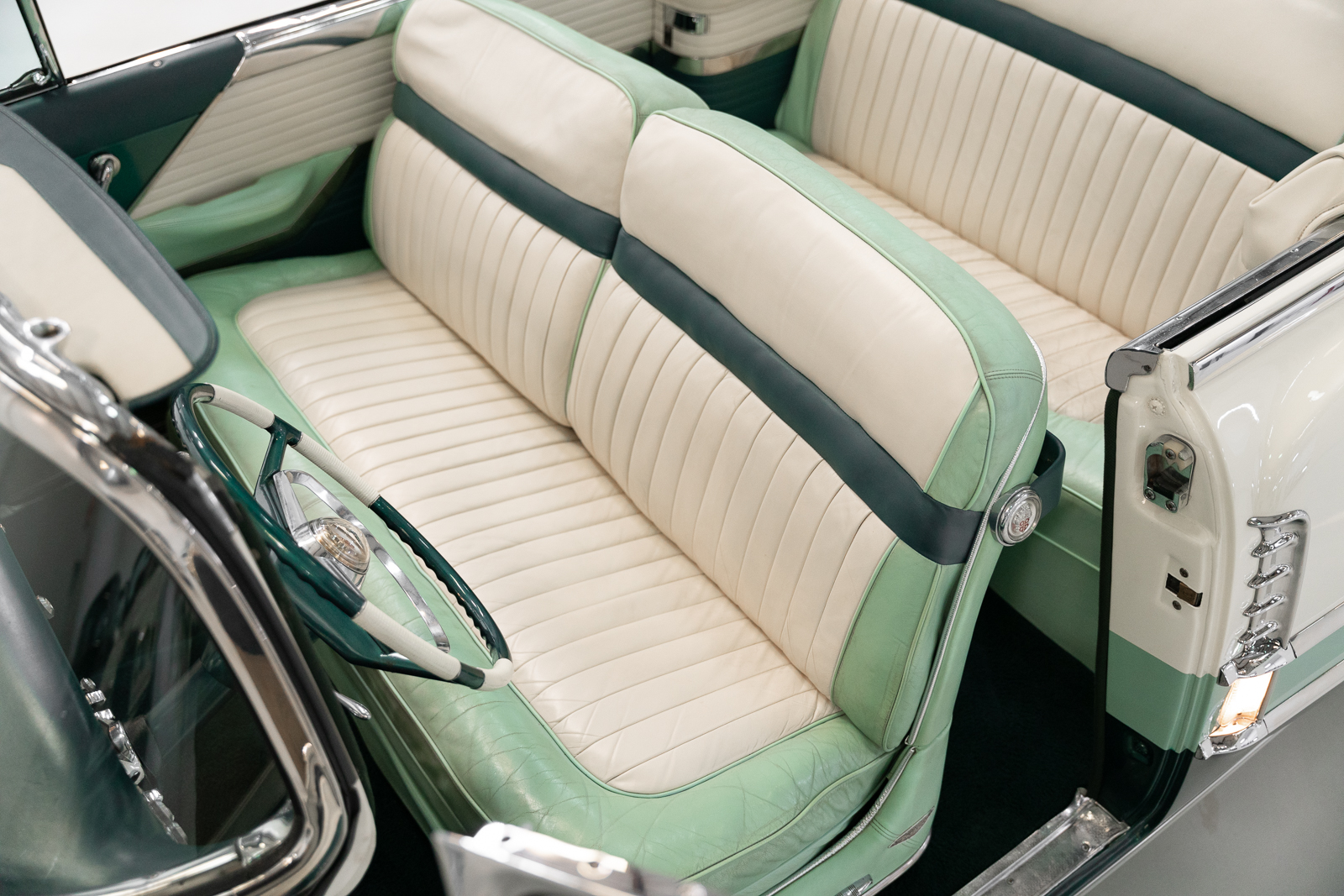
After leaving GM, Dohrs continued her career with Sundberg-Ferar, where she contributed to industrial design projects for clients including IBM, Whirlpool, Samsonite, and Packard, for whom she designed the interior of the 1955 Caribbean.
In retirement, Mary Ellen continued to design and create art, later teaching art in school.
In 1986, a patent was filed with the USPTO for a “bird roasting assembly and method”. Mary had developed a rack that would allow cooks across the country to roast a chicken to perfection. “Tender goodness by gravity – not grease!”
Jordan Manufacturing’s founder, Robert Johnson, was related to Mary Ellen by marriage and helped design the forming and assembly fixtures. The roasters were manufactured in our facility in Belding, Michigan. The finished packaging included a book of recipes and a packet of spices. Robert took great pride in having helped a world-class designer bring her idea to life. Robert and Mary understood that art and inspiration are always connected to craft and technical skill. It’s always a pleasure to look at the item in my hand and learn about the mind from which it sprang.
For more information about Mary Ellen, see the videos on YouTube uploaded by the Corvair Lady
At Jordan Manufacturing, we don’t just create high-quality metal parts – we build the tools that make it possible. Our in-house tool room is the beating heart of our operations where precision meets innovation.
Our effective processes allow for:
Complete Control: Every step of the tooling process, from initial design to final creation, happens right here at Jordan Manufacturing. This ensures the highest quality standards and eliminates the risk of errors that can occur with third-party involvement.
Maximized Uptime: Our dedication to in-house maintenance keeps our tools running smoothly. This translates to minimal downtime and faster turnaround times for your projects.
Unmatched Efficiency: By streamlining the entire tooling process under one roof, we eliminate unnecessary steps and delays. This translates to increased efficiency and cost-effectiveness for our clients.
Top-Tier Performance: Our team of experienced engineers, designers, and technicians collaborate seamlessly to create and maintain top-notch tooling. This ensures optimal performance and longevity for your parts.
By partnering with Jordan Manufacturing, you gain access to a dedicated team of professionals committed to bringing your vision to life.
Learn More about the value of tooling in this Overview video featuring Jordan Manufacturers President, Justin Johnson.
Ready to experience the power of Jordan’s In-House Tooling?
In the fast-paced world of business, a strategic and efficient approach to project management is essential for success. At our company, we proudly introduce the “Jordan Process,” a unique business model that transforms the way we work with our customers. This innovative approach breaks down our workflow into three distinct phases, each playing a crucial role in delivering exceptional results and fostering lasting partnerships.
Phase One: The “Hard Stuff” – Building Foundations for Success
The foundation of any successful project lies in meticulous planning and comprehensive understanding. The “Hard Stuff” phase of the Jordan Process is where we invest time and effort into proactively gathering as much information as possible about the program. This includes close collaboration with the customer, asking challenging questions, and delving deep into the intricacies of the project. The goal is to create a detailed quote and a launch plan that not only meet but exceed expectations. This phase is challenging, demanding the utmost cooperation between our team and the customer. However, it is this intensive groundwork that significantly reduces the risk of delays and quality issues, setting the stage for a smooth and successful project.
Phase Two: The “Fun Stuff” – Bringing Ideas to Life
After laying the groundwork in the “Hard Stuff” phase, we transition into the exhilarating “Fun Stuff.” With the purchase order in hand, we embark on the exciting journey of building and delivering the envisioned parts. This phase is the culmination of the hard work invested in the initial planning, as we witness the tangible fruits of our labor. Delivering parts on-time and to precise specifications, this stage is not just fun for us but also for our clients, who see their ideas transformed into reality. It’s a gratifying moment that reinforces the effectiveness of the Jordan Process and solidifies the trust between our team and the customer.
Phase Three: The “Forever Stuff” – Nurturing Long-Term Relationships
The journey doesn’t end with the delivery of parts; instead, it evolves into the “Forever Stuff” phase. This final stage focuses on providing unwavering support to our customers throughout the lifetime of the program. By working diligently to launch the product successfully, we leave a lasting impression on our clients. The support and dedication showcased during the project’s lifecycle create a circular relationship wherein clients remember our commitment and feel a sense of achievement. This, in turn, leads to continued collaboration as clients return with requests for additional work. The “Forever Stuff” phase not only highlights our dedication to long-term partnerships but also solidifies our position as a trusted ally in our clients’ success stories.
The “Jordan Process” is not just a business model; it’s a commitment to excellence, a journey from meticulous planning through the thrill of creation to the enduring support that fosters lasting relationships. This three-phase approach embodies our dedication to delivering quality results and building a foundation for sustained success in the dynamic world of business.
In manufacturing, it is not often that individuals are recognized for their exceptional achievements. However, one of Jordan Manufacturing’s leaders, and a remarkable woman, is being celebrated for her achievements as the 2023 Michigan Manufacturing Woman of the Year. Sachiko Hosaka, the Chief Financial Officer (CFO) of Jordan Manufacturing Company, will take home this honor during the Michigan Manufacturing Association’s Manufacturing Excellence Awards in October.
Jordan Manufacturing: Where We Manufacture Happiness
Founded in 1949 in Lake Odessa, Michigan; Jordan Manufacturing Company offers its customers The Jordan Process, in which the tooling, production, and support is kept 100% in house for the life of the program. Their passion is to “manufacture happiness” by following the core values of Coworkers, Customers, Community, and Continual Improvement.
Sachiko Hosaka: A Multifaceted Leader
Born in Kanagawa, Japan, Sachiko brings a unique perspective and international experience to the table. Her multicultural background has provided her with a deep understanding of business and leadership practices, contributing to her effectiveness as a leader in the manufacturing sector. In addition to her financial responsibilities, Sachiko is an accomplished author and blogger, with several books published in Japan, Korea, and Taiwan.
The Michigan Manufacturing Woman of the Year Award
Sachiko’s dedication, expertise, and continuous contributions to the manufacturing industry have not gone unnoticed. The Michigan Manufacturing Association (MMA) is proud to present her with the 2023 Michigan Manufacturing Woman of the Year Award. This prestigious accolade recognizes Sachiko’s outstanding achievements, leadership, and the impact she has made in the field.
The Manufacturing Excellence Awards, hosted by the MMA, celebrate the leaders and products that drive Michigan’s manufacturing industry forward. By honoring Sachiko with this significant award, they acknowledge her pivotal role in advancing the manufacturing sector and inspiring future generations of female leaders.
Sachiko Hosaka’s journey as the CFO of Jordan Manufacturing Company, to receiving the 2023 Michigan Manufacturing Woman of the Year Award is a testament to her exceptional leadership and contribution to the industry. Her commitment to excellence, combined with the company’s adherence to The Jordan Process and core values, has helped make Jordan Manufacturing a trusted name in the stamping and tooling manufacturing industry. As we celebrate Sachiko’s accomplishments, we recognize the importance of empowering women and fostering diversity within the manufacturing sector. Sachiko serves not only as an inspiration for future female leaders but also as a shining example of the innovation and dedication that drives manufacturing forward.
This year, Sachiko and I attended the Manufacturing World Japan exhibition at the Big Sight exhibition hall in Tokyo. Manufacturing World is a leading series of industrial trade shows for the manufacturing industry, held four times a year in Tokyo, Osaka, Nagoya, and Fukuoka. It consists of 10 specialized shows covering a wide range of products and technologies.
One focus area at the exhibition was the digitalization of business, known as DX (as the Japanese abbreviate it). Japanese manufacturers are seeking ways to digitize all aspects of their operations, which marks a significant shift for the country. Japanese businesses still rely on outdated technologies despite its reputation as a technological hub. Tech czar Taro Kono is attempting to phase out floppy disks and fax machines in the Tokyo government by rewriting data storage and transmission regulations. This battle was on display at the Manufacturing World Japan exhibition this summer.
The exhibition hall was dominated by exhibitors of various sizes, offering solutions for companies of any size or legacy. Notable companies included Google and Salesforce and Japanese firms like Hitachi, Misumi, Kintone, and Zero Four. The show featured a range of solutions for asset management, HR, supply chain management, quality and inspection, and facility management.
While American companies generally have a head start in digitalization and have largely digitized shop floor management and estimation since the 90s, other areas of interest at the exhibition were unrelated to digitalization.
One aspect that caught my attention was the sophistication of Japanese corporate uniforms. In contrast to the typical American uniform of polo shirts and khakis, Japanese uniforms are engineered to project a sleek and technologically advanced image while ensuring workers stay cool. As the climate changes, Japanese uniforms have adapted active and passive cooling systems. Personally, I even purchased a wearable heat pump from Sony to keep cool during the sweltering Tokyo summer. It’s essential for Jordan Manufacturing to prioritize our workers’ comfort, safety, and productivity, especially as we work with customers and vendors around the world.
Another area of interest was material handling. Jordan Manufacturing specializes in metal stampings and assemblies, often dealing with numerous boxes on the floor. At the exhibition, companies showcased suction systems for picking and placing boxes, even those made of porous cardboard materials. This has clear ergonomic benefits and could be integrated into our assembly cells while providing advantages for aging workforces by reducing fatigue and injuries.
While it’s evident that robotics and additive manufacturing have a promising future in the global industry, it’s crucial to remember that people will always be a significant part of manufacturing. Investing not only in the comfort and safety of our coworkers but also in improving other processes such as sales, planning, quality management, and HR is essential.